
Hardwood Floor Installation in Fairfield County, CT & Westchester, NY
Solid and engineered hardwood installed over a properly prepared subfloor, with moisture testing and acclimation done before the first board goes down.
- Since 2001 · Over 25 years
- CT HIC #0578915 · Westchester No. 26150-H13
- 10,000+ projects
- As seen on HGTV
- Financing available, subject to approval
Hardwood Floor Installation Around Stamford
The Hardwood Guys has been installing hardwood floors in Connecticut and New York since 2001. The work covers a single room, an addition or renovation, a new staircase or a whole-house floor, for homes across Fairfield County, CT and Westchester County, NY, a roughly 35-mile circle around Stamford. We install solid hardwood and engineered hardwood, and we also install luxury vinyl plank and laminate.
Most of what makes a new floor last is hidden once the job is finished: the subfloor, the moisture in it, the time the wood spent adjusting to your home and the layout of the boards. This page walks through how we handle each of those, so you know what to expect from the estimate and from the installation itself. When you are ready, book a free estimate online or call or text (203) 290-1510 (Mon–Fri 7AM–5PM).
Solid vs Engineered Hardwood: Which Is Right for Your Home?
Both are real wood, and once they are installed and finished they can look the same. The difference is in how they are built and where each one performs best.
Solid hardwood
A solid board is wood all the way through. It is usually nailed or stapled to a wood subfloor, it can be sanded and refinished several times over its life, and it is the traditional choice for main living areas, hallways and stairs above grade. Solid wood reacts to humidity by expanding and contracting across its width, which is why moisture testing and acclimation matter so much with it.
Engineered hardwood
An engineered plank has a real wood wear layer on top of a layered core. The layers run in different directions, which makes the plank more stable when humidity changes. That stability is why engineered is often the better answer over a concrete slab, in a finished basement, over radiant heat that the floor's maker approves, or in a shoreline home with large seasonal swings. The trade-off is the wear layer: it decides how many times the floor can be sanded, and some can take only a light sanding. We check the wear layer before we recommend a product.
How we help you choose
We look at the room, whether the subfloor is wood or concrete, whether the room is above or below grade, the heating system and how you live in the space. Plenty of homes end up with solid hardwood upstairs and engineered hardwood in the basement, and we can match the species and color between the two so the change does not read as two different floors.
Subfloor Preparation and Moisture Testing
Every installation starts underneath. A hardwood floor is only as flat, dry and solid as the surface it sits on, so before any wood is ordered we check:
- Flatness. High and low spots show up later as hollow-sounding boards, gaps and squeaks, so we flatten or level the surface where it needs it.
- The condition of a wood subfloor. Loose panels, squeaks, soft spots and old water damage get fixed first, and the panels are re-fastened where they have worked loose.
- Moisture in the subfloor and in the wood. We take readings of both and compare them. Wood installed over a subfloor that is too wet will swell, cup or buckle.
- Concrete slabs. Concrete can hold moisture long after it looks dry, so a slab gets tested, and where the readings call for it a moisture barrier goes down before the floor does.
- Basements and crawl spaces. Moisture rising from below is a common reason new floors fail, so we look at the space below the floor, not just the surface we will be working on.
- What is there now. Old flooring, adhesive and staples have to come up cleanly before the new floor goes down.
If the readings are too high, we tell you before we start, and we help you find out why. Installing over a wet subfloor is the most common way a new floor goes wrong, and waiting for the moisture to come down is far easier to live with than a floor that cups. If the moisture turns out to come from a leak, see our page on water damaged hardwood floor repair.
Acclimation, and Why the Shoreline Matters
Wood takes on and gives off moisture until it matches the air around it. Acclimation means letting the flooring sit in your home, in the rooms where it will be installed, until it reaches that balance, so it does not shrink or swell once it is nailed down. The heating or cooling has to be running at normal living conditions while it does.
How long that takes is a matter of readings, not a calendar date. It depends on the species, the width of the boards, where the wood was stored before it arrived and how far your home's humidity sits from the wood's. We check the wood and the room, and we start when they agree.
Humidity near Long Island Sound
Homes along the Fairfield County shoreline, in places like Shippan in Stamford, Darien, Rowayton in Norwalk, Westport and Fairfield, live with bigger seasonal humidity swings than homes farther inland: damp summers, then dry, heated winters. Wide boards move more than narrow ones, and some species move more than others, so near the water we pay extra attention to board width, to acclimation and, often, to whether engineered hardwood is the steadier choice.
Some movement is normal. A small seasonal gap in winter or a slight cup in a humid summer is not a defect, and we explain what normal looks like so you can tell it from a real moisture problem. Two articles from our blog go into it: how humidity swings affect hardwood in Connecticut and New York, and when humidity swells hardwood in Stamford and Fairfield County.
How a Hardwood Floor Installation Runs
- Free walk-through and estimate. We look at the rooms, the subfloor, the transitions and the stairs, talk through solid or engineered, and give you a written estimate.
- Choosing the wood. Species, board width, grade and color. We bring samples, and where you want a stain we put it on sample boards so you can see it in your own light.
- Prep and moisture testing. We remove the old flooring if there is any, repair and flatten the subfloor, and take moisture readings.
- Acclimation. The flooring comes into the house and stays until the readings agree.
- Layout. We plan the direction of the boards and the starting line, so the floor runs true and the cuts at walls, doorways and stairs land where they should.
- Installation. Nailed, stapled, glued or floated, depending on the product and the subfloor.
- Sanding and finishing, where the floor is finished in your home. Our hardwood floor refinishing crews handle it, with dust-contained sanding, the stain you chose and your choice of finish.
- Final walk-through. You get care instructions and guidance on when to walk on the floor, move furniture back and lay rugs.
Stairs, Transitions and Matching Into an Existing Floor
New flooring is rarely just open floor. Stairs, thresholds and the line where one material meets another are where an installation looks careful or looks rushed, so we plan them from the start.
- Stairs. Treads, risers and nosings, finished to match the floor at the top and the bottom. See stairs and treads.
- Transitions and thresholds. Where hardwood meets tile, carpet or another wood floor, we choose the transition for the height difference and the look, rather than defaulting to whatever is in stock.
- Matching into an existing floor. We match species and board width, and we can stain to match. Older floors that have changed color are harder to match exactly, so some jobs finish best when the old and new boards are refinished together.
- Radiant heat. Warmed floors can be a good fit for some floors and a poor one for others. Our radiant floor heating page covers what we install.
What Affects the Cost of a Hardwood Floor Installation
We give you a written estimate after we have seen the space, because the number depends on things that are different in every house. These are the main ones:
- Size and layout. An open room goes faster than several small rooms, closets and hallways, and every cut around a corner takes time.
- The wood you choose. Species, grade, board width and thickness all change the material, and so does solid versus engineered.
- Prefinished or finished in your home. A floor that is sanded and finished after installation has more steps than one that arrives finished.
- The subfloor. Leveling, repairs, a moisture barrier or removing old flooring all add work.
- Installation method. Nailed, glued and floated floors take different materials and different time.
- Stairs and transitions. Treads, risers and custom thresholds are separate work from open floor.
- Access and scheduling. Condo buildings with elevator reservations or quiet hours, and upper floors with long carries, change the plan.
- Staining and finish. The stain, the finish system and the number of coats.
We would rather explain what is driving an estimate than hand you a single figure with no context. Estimates are free: (203) 290-1510, or book online.
Engineered, Luxury Vinyl Plank and Laminate Installation
Hardwood is not the right floor for every room, and we install the alternatives too:
- Engineered hardwood for slabs, basements, shoreline homes and any room where stability matters more than the ability to sand it many times.
- Luxury vinyl plank (LVP) for rooms that see water often, such as laundry rooms, mudrooms and some basements, where a water-resistant surface is the point.
- Laminate for a hard-wearing floor in a low-moisture room.
Each of these still needs a flat, dry subfloor, and each is installed by the same crews that do our hardwood work. If a floor was damaged by water and needs to come out, see water damaged hardwood floor repair, because a repair and a replacement can be one project.
Red Oak or White Oak? A Quick Guide to Telling Them Apart
Oak is the most common species we install, and red oak and white oak look similar until they are side by side. Because the two stain, finish and wear a little differently, it helps to know which one you have, whether you are matching an existing floor or choosing a new one. Red oak has a slightly warmer, pinker tone, while white oak is a touch cooler and tends toward a creamy tan. Once a floor is stained or finished, color alone stops being a reliable way to tell them apart, so look at the grain instead.
Look at the endgrain
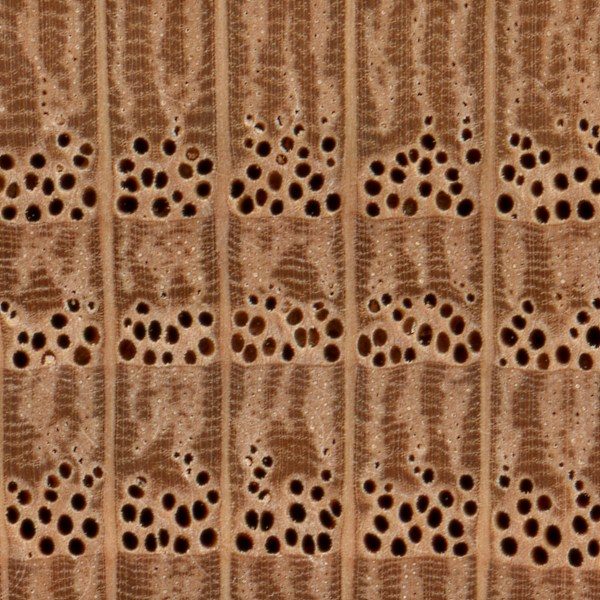
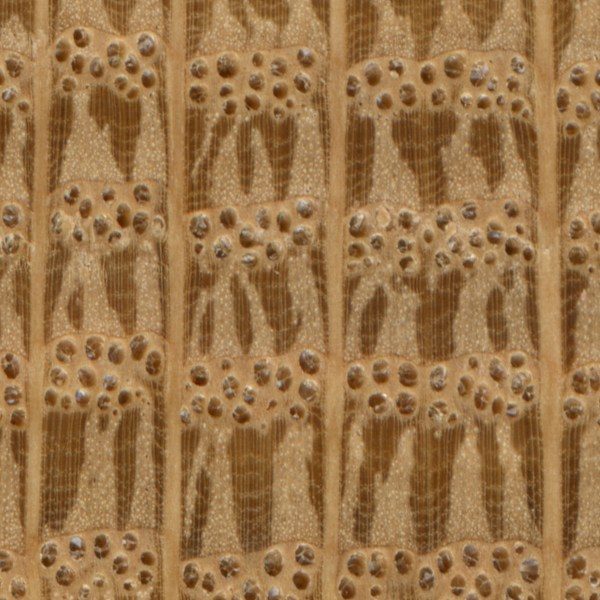
The pores in the growth rings of red oak are very open and porous, and they are easy to spot. White oak has its pores plugged with tyloses, which is why white oak holds up so well against moisture and rot. The presence of tyloses is perhaps the most reliable way to tell the two apart.
Look at the rays
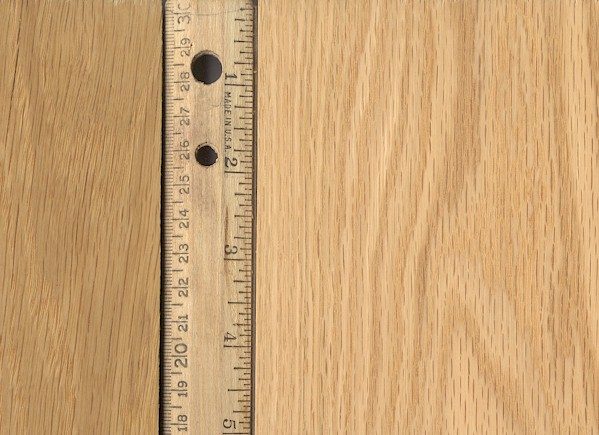
On the face of a board, especially flat-sawn areas, you may notice small dark brown streaks running with the grain. These are rays. Red oak has very short rays, usually well under an inch. White oak has much longer ones, frequently longer than three-quarters of an inch. It is a dependable test when the endgrain is not exposed because the floor is already installed.
Matching oak to an existing floor is one of the most common reasons we are asked which species is in the house. If you are not sure, send us a photo with a text to (203) 290-1510 and we will tell you what we see.
Hardwood Floor Installation FAQ
Should I choose solid or engineered hardwood?
It depends on where the floor is going. Solid hardwood is the traditional choice for main living areas and stairs over a wood subfloor, and it can be sanded and refinished several times. Engineered hardwood is more stable when humidity changes, so it is often the better fit over a concrete slab, in a finished basement or in a home near the shoreline. We look at the room, the subfloor and how you live, then tell you which we would choose and why.
How long does a hardwood floor installation take?
It depends on the size of the job, the layout, how much subfloor work is needed, whether you choose prefinished boards or a floor that is sanded and finished in your home, and whether stairs are included. The wood also needs time to acclimate before installation starts. You get a written schedule with your estimate, and we tell you if the moisture readings change it.
Do you test for moisture before installing?
Yes, every time. We take readings on the subfloor and on the flooring, and on a concrete slab we test the slab itself, because concrete can hold moisture long after it looks dry. If the readings are too high we say so before any wood is installed, because a floor laid over moisture is the one most likely to cup or buckle.
How long does the wood need to acclimate, and does living near the water matter?
There is no single number of days. It depends on the species, the width of the boards, where the wood was stored and how far your home's humidity is from the wood's. We go by moisture readings rather than the calendar, with the heating or cooling running at normal living conditions. Homes near Long Island Sound see bigger seasonal humidity swings, so we pay particular attention to acclimation and board width there.
Can hardwood be installed over concrete or radiant heat?
Often yes, but the choice of floor matters. Engineered hardwood is usually the better choice over a concrete slab, after the slab has been tested for moisture. Over radiant heat the answer depends on the floor and on the limits set by the heating system's maker, so we confirm those before recommending anything.
Can you match new hardwood to my existing floor?
We match the species and board width, and we can stain to match. Older floors that have darkened or faded over the years are harder to match exactly, so sometimes the best result is to refinish the existing floor and the new boards together. We will tell you what is realistic before anything is ordered.
Do you install stairs, transitions and thresholds?
Yes. We install treads, risers and nosings, and the transitions and thresholds where the new floor meets tile, carpet or another wood floor, so the whole project looks like one job.
Do you install engineered hardwood, luxury vinyl plank and laminate too?
Yes. We install solid hardwood, engineered hardwood, luxury vinyl plank (LVP) and laminate. If you are not sure which suits a room, tell us where it is and how it is used, and we will recommend one.
Related Hardwood Services
- Hardwood floor refinishing for floors that are worn but still sound, and for finishing a new floor in your home.
- Hardwood floor repairs for squeaks, gaps, scratches and board replacement.
- Water damaged hardwood floor repair for cupped, crowned or buckled floors after a leak.
- Stairs and treads to match the new floor.
- Cleaning and maintenance to look after the floor once it is in.
Ready to talk about your floor? Book your free estimate online, or call or text (203) 290-1510.
Planning a new hardwood floor?
Free estimates across Connecticut and New York.